- IBS (irritable bowel syndrome) — sometimes called spastic colon — is a common gut disorder, and the IBS diet (usually low-FODMAP) is one of the best-studied ways to manage it.
- The diet works in 3 phases: elimination, reintroduction and personalization — it is not meant to be permanent.
- Biggest common triggers: onion, garlic, lactose, excess fructose and sugar alcohols.
- Peppermint oil, probiotics, L-glutamine and stress management may help — evidence varies.
- We also took an honest look at The IBS Protocol, a $9 digital guide.
What Is IBS? (Quick Definition)
Irritable bowel syndrome (IBS) — historically called spastic colon or spastic bowel — is a common functional digestive disorder that causes recurring abdominal pain, bloating, gas and altered bowel habits: diarrhea, constipation, or both. According to the U.S. National Institute of Diabetes and Digestive and Kidney Diseases (NIDDK), it affects roughly 5–10% of people worldwide. Clinicians usually describe three subtypes based on stool pattern: IBS-D (diarrhea-predominant), IBS-C (constipation-predominant) and IBS-M (mixed). Symptoms are typically triggered by certain foods, stress and the so-called gut-brain axis — which is exactly why the right eating pattern matters so much.
What Is the IBS Diet?
The IBS diet is an eating pattern designed to identify and reduce food triggers while keeping nutrition balanced — most often the low-FODMAP diet developed at Monash University in Australia. It is a management tool, not a cure: the goal is fewer flare-ups, less bloating and predictable digestion. FODMAPs are short-chain carbohydrates (fermentable oligo-, di-, monosaccharides and polyols) that are poorly absorbed in the small intestine. They pull in water and ferment quickly in the colon, producing gas and distension — precisely the symptoms people with a sensitive gut feel most.
The Low-FODMAP Diet for IBS: 3 Phases
The low-FODMAP diet for IBS was never designed as a permanent lifestyle. Monash University structures it in three phases:
- Elimination (2–6 weeks): high-FODMAP foods are temporarily removed to calm symptoms and establish a baseline.
- Reintroduction: each FODMAP group (fructans, GOS, lactose, fructose, polyols) is systematically re-tested to identify personal triggers.
- Personalization: you return to the least restrictive diet possible, avoiding only your confirmed triggers — which also protects your gut microbiota long-term.
Honest limitation: staying in strict elimination forever is not recommended — long-term restriction may reduce beneficial gut bacteria. If you’re curious about feeding a healthy microbiome, see our guide to natural probiotics and prebiotics.
IBS Diet Food List: What to Eat and What to Avoid
Use this IBS diet food list as a starting point — tolerance is individual and portion size matters (Monash University updates its classifications regularly).
| Generally better tolerated (low-FODMAP) | Common triggers (high-FODMAP) |
|---|---|
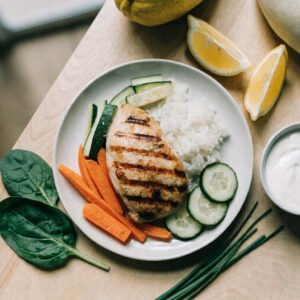
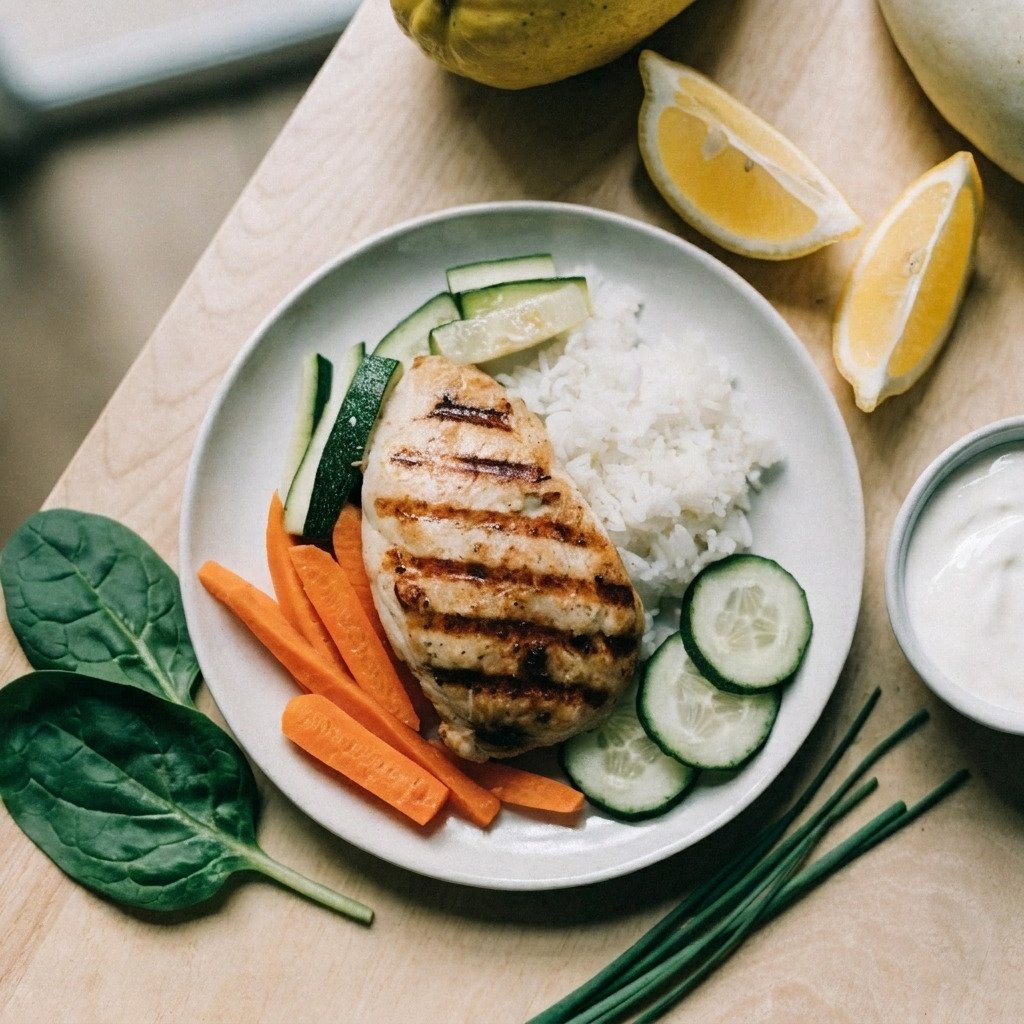
| Chicken, fish, eggs, firm tofu | Onion and garlic (biggest culprits) |
| Rice, oats, quinoa, potatoes | Wheat and rye in large amounts |
| Spinach, carrots, zucchini, green beans | Cauliflower, mushrooms |
| Firm bananas, blueberries, oranges, strawberries | Apples, pears, mango, honey |
| Lactose-free dairy, almond milk | Milk, soft cheeses, ice cream (lactose) |
| Walnuts, pumpkin seeds, peanuts (small serves) | Most beans and lentils (large serves) |
| Maple syrup, sugar (in moderation) | Sorbitol, mannitol, xylitol (sugar alcohols) |
How to Calm an IBS Flare-Up
An IBS flare-up usually settles within hours to a few days. To calm it faster:
- Simplify meals: 2–3 days of low-FODMAP basics (rice, eggs, firm bananas, carrots).
- Hydrate and warm: water plus peppermint or ginger tea; heat pad on the abdomen.
- Downshift stress: slow breathing or a short walk — the gut-brain axis responds quickly.
- Go small: smaller, lower-fat meals; skip caffeine, alcohol and carbonated drinks.
- Reintroduce slowly: add one food at a time and note reactions.
See a doctor if you notice red flags: blood in stool, unintentional weight loss, symptoms waking you at night, anemia, or a family history of IBD/colon cancer. These are not typical IBS signs.
Natural Remedies for IBS That May Help
Beyond the diet, these are the options with the most research behind them:
- Peppermint oil — research on peppermint for IBS (including randomized trials summarized by the U.S. National Center for Complementary and Integrative Health) suggests enteric-coated capsules can reduce cramping and abdominal pain via an antispasmodic effect.
- Probiotics — strain-specific and modest, but some people benefit (e.g., Bifidobacterium infantis 35624).
- L-glutamine — small trials suggest it may support the gut barrier, especially in post-infectious IBS-D.
- Soluble fiber (psyllium) — one of the better-evidenced options, particularly for IBS-C.
- Digestive enzymes — limited evidence; results are individual.
- Gut-brain therapies — CBT, gut-directed hypnotherapy, sleep and regular exercise genuinely move the needle for many patients.
Honest note: supplement quality and responses vary — discuss doses with a professional, especially if you take medication.
IBS-D vs IBS-C: When Diarrhea or Constipation Dominates
The diarrhea–constipation pattern defines your subtype and fine-tunes the diet. For IBS-C: prioritize hydration, oats, kiwi and regular movement. For IBS-D: favor soluble fiber (oats, psyllium), smaller low-fat meals and steady meal timing. Mixed patterns (IBS-M) usually respond best to the structured 3-phase approach above.
The IBS Protocol: An Honest Look
The IBS Protocol is a 107-page digital guide ($9, one-time) that bundles the pieces we covered above into one structured plan: gut microbiota basics, the gut-brain connection, how to navigate the low-FODMAP diet correctly, supplement dosages and timing (L-glutamine, probiotics, enzymes), and a 3-phase intestinal cleanse protocol. Pros
- Clear, structured, beginner-friendly — removes the guesswork.
- Covers diet + stress + supplements together, which matches how IBS actually works.
- Very affordable ($9) with lifetime access vs. $100+ consultations.
Cons
- Self-published; no listed medical credentials behind it.
- No personalization or medical oversight — it’s education, not treatment.
- The “cleanse” component is the least evidence-backed part.
Bottom line: a solid, affordable starting map for people who want a structured irritable bowel diet plan — not a replacement for medical care. 👉 Get The IBS Protocol for $9 Disclosure: we reviewed The IBS Protocol independently; this post contains affiliate-style links to the product. It is educational content, not medical advice.
IBS Diet FAQ
Is spastic colon the same as IBS?
Yes. “Spastic colon” and “spastic bowel” are older names for what clinicians now call irritable bowel syndrome.
What foods trigger IBS the most?
Onion, garlic, lactose, excess fructose (apples, pears, honey), wheat in large amounts and sugar alcohols like sorbitol and mannitol — the classic high-FODMAP group.
Can I follow the low-FODMAP diet forever?
No. Elimination is a short-term phase (2–6 weeks). Permanent restriction is unnecessary for most people and may harm the gut microbiota.
Does peppermint oil really help?
Randomized trials suggest enteric-coated peppermint oil can ease cramping and abdominal pain. It’s a symptom aid, not a cure — check with your doctor first.
Can IBS cause weight loss?
Not typically. Unintentional weight loss is a red-flag symptom — see a doctor to rule out other conditions.
How long does the IBS diet take to work?
Most people notice changes within the 2–6 week elimination phase; personal triggers become clear during reintroduction.
Final Verdict
There is no universal cure for IBS — but the IBS diet remains one of the most reliable, evidence-backed tools to control symptoms: short elimination, careful reintroduction, and a personalized long-term pattern, supported by stress management and targeted remedies like peppermint oil. If you want that process pre-organized into one affordable plan, The IBS Protocol is a reasonable $9 starting point — just keep your doctor in the loop.